
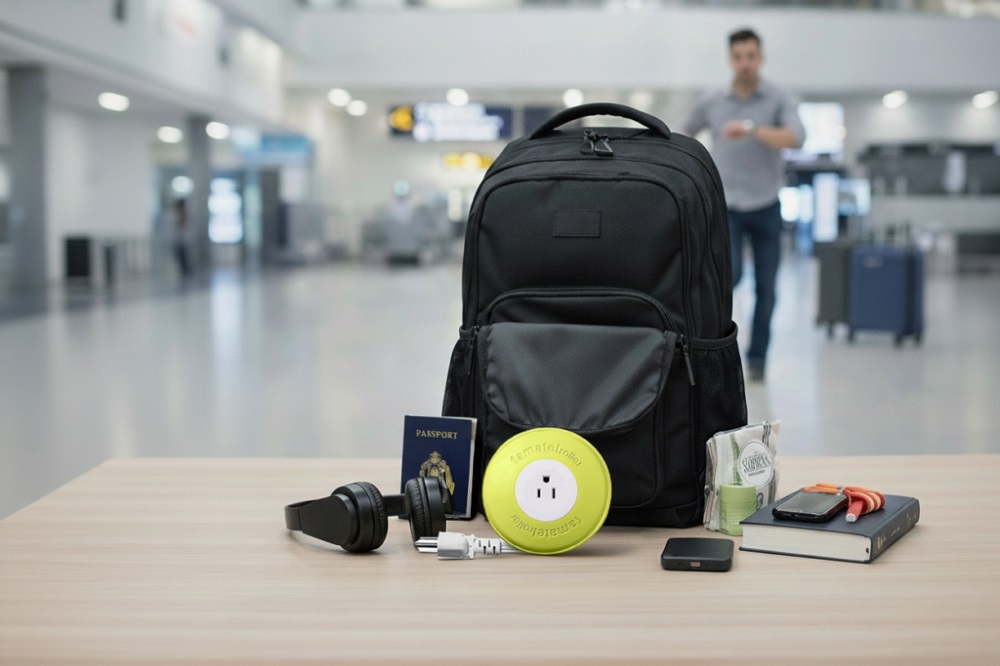

Packing for a trip is often met with a mix of anticipation and anxiety. Whether you are preparing for a weekend getaway in a neighboring state, a demanding business trip across the country, or an extended multi-week expedition across continents, the items you choose to place inside your luggage will directly impact your journey. Overpacking leads to physical exhaustion, expensive airline baggage fees, and the frustration of digging through a cluttered suitcase. Conversely, underpacking leaves you vulnerable to unexpected weather shifts, health inconveniences, and unnecessary local retail expenses.
The art of packing well lies in focusing on versatility, utility, and compactness. Rather than trying to prepare for every highly unlikely scenario, a seasoned traveler packs high-quality essentials that address core needs across comfort, organization, health, and connectivity. This comprehensive guide outlines the definitive travel essentials every traveler should pack, explaining the practical logic behind each item to help you achieve a stress-free and seamless travel experience.
The Foundation of Organization and Luggage Choice
Before examining individual items, you must consider how you contain and organize your gear. The right structure prevents physical strain and saves hours of packing and unpacking throughout your journey.
Quality Lightweight Luggage
Your luggage is your mobile home on the road. Investing in a durable, lightweight carry-on suitcase or an ergonomically designed travel backpack is vital. Look for bags featuring multi-directional spinner wheels that glide easily over uneven airport floors, robust zippers, and water-resistant materials. Keeping your primary luggage within standard airline carry-on dimensions grants you immense freedom, allowing you to bypass long check-in lines, eliminate the risk of lost luggage, and navigate public transit systems with ease.
Packing Cubes and Compression Sacks
Many travelers view packing cubes as a luxury, but they are an absolute necessity for structural organization. These lightweight fabric containers allow you to compartmentalize your clothing by category, such as shirts, undergarments, and pants.
-
Maximized space: Compression packing cubes utilize secondary zipper systems to expel excess air, reducing the physical volume of your clothing by up to thirty percent.
-
Efficiency: Instead of unpacking your entire suitcase at a hotel, you simply lift the cubes directly into the dresser drawers.
-
Cleanliness: Cubes allow you to keep clean garments completely separate from dirty laundry as your trip progresses.
Core Digital and Connectivity Essentials
Modern travel relies heavily on digital documentation, navigation, and communication tools. Safeguarding your access to power and connectivity prevents logistical disruptions.
Universal Power Adapter
Electrical wall outlets vary significantly across different geographic regions, utilizing diverse plug configurations and voltage standards. A high-quality universal power adapter is an indispensable tool for any international journey. Opt for an all-in-one adapter that features slider mechanisms for major global plug types, alongside multiple built-in USB and USB-C ports. This allows you to charge your smartphone, tablet, laptop, and camera gear simultaneously from a single wall outlet, eliminating the need to carry separate charging blocks for every single device.
Portable Power Bank
A smartphone is a primary navigation tool, digital boarding pass viewer, translation dictionary, and camera. Intense usage of location services, maps, and camera apps drains battery life rapidly. A dead phone battery in an unfamiliar city can create a stressful safety hazard. A compact portable power bank with a capacity of at least ten thousand milliamp-hours ensures you can fully recharge your phone multiple times while on the move, keeping you connected during long days of sightseeing or unexpected flight delays.
Comfort and Health Elements for the Journey
Transit environments, such as long-haul flights, train rides, and bus journeys, are notorious for dry air, fluctuating temperatures, and sleep disruptions. Packing items that preserve your physiological well-being keeps you energized for your destination.
Versatile Layers and a Scarf
Air conditioning systems on airplanes and trains are notoriously unpredictable, often swinging from uncomfortably hot to freezing cold within minutes. Packing a lightweight, breathable jacket or a high-quality cardigan ensures you can adjust to temperature changes instantly. Additionally, a large, lightweight scarf or pashmina is one of the most versatile textile items a traveler can pack. It functions as an extra layer for warmth, a makeshift travel pillow when rolled up, a privacy blanket during a flight, or a respectful cover-up when visiting religious sites that require modest attire.
Specialized Travel Comfort Kit
To maximize the chances of resting during transit, assemble a dedicated comfort kit that remains easily accessible inside your personal item bag. This kit should include high-fidelity earplugs to block out engine drone and ambient chatter, a contoured eye mask that exerts zero pressure on your eyelids while blocking out ambient cabin light, and a supportive travel pillow that stabilizes your neck. Selecting a pillow made of supportive memory foam that compresses down into a small travel pouch avoids unnecessary bulk when you are walking through terminal gates.
Comprehensive Minimalist First-Aid Kit
Finding a pharmacy in an unfamiliar destination, especially late at night or where there is a language barrier, can be incredibly challenging. A small, transparent pouch containing basic health supplies is a critical safety net. Your kit should include a supply of personal prescription medications, basic pain relievers, antihistamines for unexpected allergic reactions, antidiarrheal medication, motion sickness pills, a small assortment of adhesive bandages, and blister prevention pads to protect your feet during heavy walking days.
Document Security and Financial Safeguards
Losing your identification or financial access while far from home can derail a trip instantly. Implementing redundant security measures protects your critical assets.
-
Physical and digital backups: Carry physical photocopies of your passport, driver’s license, travel insurance policy, and vaccination records separate from the original documents. Additionally, store encrypted digital copies of these files in a secure cloud folder accessible offline on your smartphone.
-
Diversified financial cards: Never keep all your financial assets in a single wallet. Split your cash, debit cards, and credit cards across different locations, keeping one card in your wallet, one in a hidden pocket inside your daypack, and another locked securely inside your hotel room safe.
-
RFID-blocking sleeves: While modern digital theft is rare, utilizing slim RFID-blocking sleeves or a dedicated travel wallet prevents unauthorized scanning of your credit cards and biometric passport chips in crowded transit hubs.
Frequently Asked Questions
How should a traveler manage packing liquids to comply with airport security rules without leaks?
To meet standard airport security regulations, all liquids, gels, and aerosols carried in hand luggage must be in containers of three point four ounces or less, and all containers must fit comfortably inside a single, transparent, one-quart plastic bag. To prevent cabin pressure changes from causing messy leaks inside your luggage, squeeze excess air out of flexible plastic bottles before capping them, or place a small piece of plastic wrap over the bottle opening before screwing the lid down tightly.
What are the specific advantages of packing a solid toiletry bar over a liquid alternative?
Solid toiletries, such as shampoo bars, solid conditioners, solid body soaps, and stick deodorants, offer major benefits for modern travelers. They do not count toward your airport liquid allocation limits, meaning you have more space for specialized creams or sunscreens. Furthermore, solid bars are completely spill-proof, reducing the risk of ruined clothing, and they are typically more concentrated, lasting significantly longer than their liquid counterparts while taking up far less physical space.
Why is a reusable water bottle considered an essential travel item, and how should it be used?
A reusable water bottle is an essential economic and environmental tool. Purchasing single-use plastic water bottles at airports and tourist centers is expensive and generates significant plastic waste. Bringing an empty reusable bottle through airport security allows you to refill it for free at terminal water stations before boarding your flight. When traveling to destinations where the local tap water is unsafe to drink, opt for a reusable bottle featuring an integrated microbiological purification filter to ensure safe hydration anywhere.
How can a traveler effectively minimize the weight of footwear when preparing for a multi-destination trip?
Footwear is typically the heaviest and most bulky category of luggage. To optimize space, limit yourself to a maximum of two to three pairs of shoes. Wear your heaviest, most supportive walking shoes or boots during transit days to keep them out of your suitcase. Pack one pair of lightweight, versatile shoes that can be dressed up for evening dining, and one pair of compact sandals or flats for warmer days or casual use, ensuring all packed footwear is fully broken in prior to the trip.
What is the purpose of packing a portable luggage scale before departure?
A portable luggage scale is a compact tool that prevents stressful surprises and expensive excess baggage fees at airport check-in counters. Airline weight limits for checked and carry-on bags can vary significantly, particularly on smaller regional carriers or low-cost airlines. Weighing your bags at your hotel before heading to the airport allows you to rearrange items calmly or prepay for extra weight online at a discounted rate, rather than dealing with a heavy bag crisis at the gate.
How does a micro-fiber towel differ from a standard cotton towel for travel purposes?
Micro-fiber towels are engineered specifically to suit the constraints of mobile travel. They are woven from incredibly fine synthetic fibers, allowing them to absorb up to four times their weight in water while remaining incredibly thin. A micro-fiber towel folds down to a fraction of the size of a standard cotton towel, saving massive amounts of luggage space. Additionally, micro-fiber dries up to three times faster than traditional cotton, preventing the development of musty odors inside your bag.
Comments are closed.