
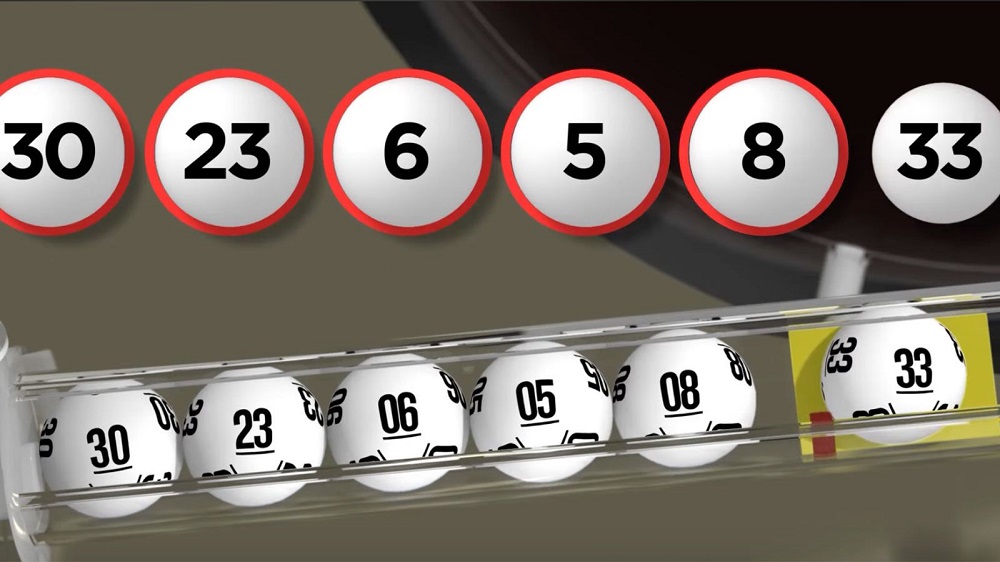

Number selection strategies face a fundamental problem in most blockchain lotteries. The platforms use sequential ticket numbering rather than player-chosen number combinations. You buy ticket #437 out of 5,000 total entries. No selection happens. Random drawings pick winning ticket numbers directly. This differs completely from Powerball-style games, where players choose six numbers from larger pools. The lack of choice eliminates traditional number selection strategies entirely for most platforms. Some Ethereum lotteries do implement number selection formats similar to traditional state games. https://crypto.games/lottery/ethereum offers combination-based drawings where players pick numbers from specified ranges. These rarer formats enable actual selection strategies, though the mathematics remain identical to conventional lotteries.
Sequential versus selection
- Sequential ticketing assigns numbers automatically during purchase. The platform sells ticket #1, then #2, then #3 continuously. Buyers have zero input regarding which numbers they receive. Early purchasers get low numbers. Late buyers get high numbers. The drawing randomly selects from this sequential range to determine winners. Your ticket either matches the drawn number.
- Selection-based formats let players choose specific number combinations from defined pools. Then take six numbers between 1 and 49. These work identically to traditional lottery mechanics. The drawing generates random winning combinations, and player selections either match. Actual selection strategies become relevant since players control which combinations they enter.
Pattern avoidance tactics
When selection exists, avoiding common patterns improves expected value slightly. Thousands of players pick birthdays, creating clusters around numbers 1 through 31. When these combinations win, the prize gets split among more people since multiple tickets often share identical selections. Choosing numbers above 31 reduces this shared-prize risk.
Sequential patterns like 1-2-3-4-5-6 attract surprising numbers of players despite terrible optics. These combinations win just as often as random selections mathematically, but shared wins split prizes more ways. Avoiding obvious sequences prevents dividing payouts unnecessarily.
Balanced number distributions across the available range perform identically to clustered selections probability-wise:
- Spreading choices across low, middle, and high ranges
- Mixing odd and even numbers roughly equally
- Avoiding all numbers from single-digit groups
- Skipping purely consecutive sequences
None of these tactics improves winning probability. They only reduce prize-sharing when wins occur, which marginally increases expected value per ticket.
Consistency vs Variation
Some players stick with identical number selections across multiple drawings. The logic claims persistence eventually hits as combinations cycle through. Others randomise each entry completely, believing fresh selections offer better chances. Neither approach changes probability mathematically. Each drawing represents an independent event where previous results don’t influence future outcomes.
- Consistent selections do provide psychological benefits. Players avoid the regret of watching “their numbers” win after switching to different combinations. This emotional component matters more to some people than pure mathematics. The strategy provides no statistical edge but prevents specific types of psychological pain.
- Random variation prevents pattern bias where players unconsciously favour certain number ranges or combinations. True randomness requires tools generating selections rather than manual picking, since humans default toward patterns even when trying to randomise.
Quick pick alternatives
Automated selection tools generate random number combinations instantly. These eliminate human bias completely. The randomisation spreads entries more evenly across all possible combinations than manual selection does. Platforms offering quick pick features typically use the same random number generators to determine drawing outcomes. This creates identical probability distributions between quick picks and manual selections. Neither method beats the other mathematically, though quick picks save time and reduce pattern bias.
Comments are closed.