
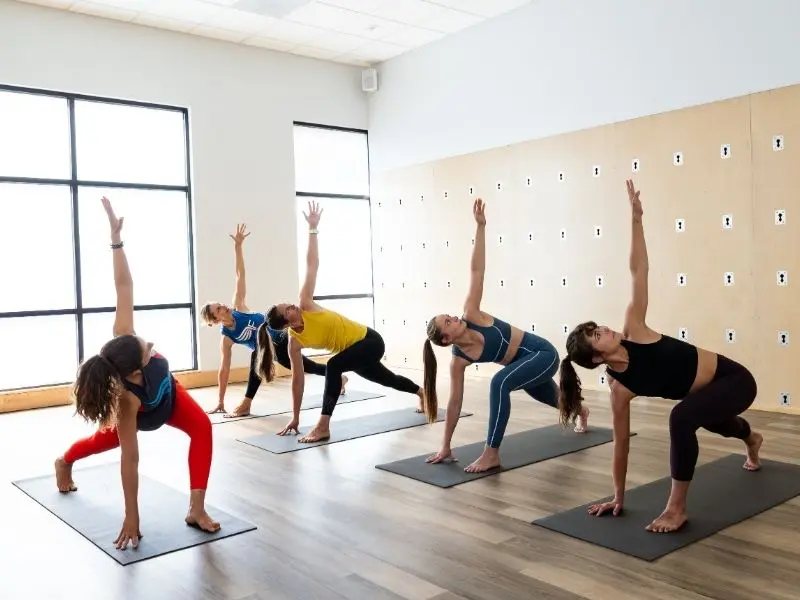

A strong wellness routine is rarely built from random sessions. It works better when classes are curated with purpose. Well-structured yoga classes Singapore can support mobility, mental calm and better sleep by guiding students through a balanced progression of movement, breath and recovery. Many adults struggle with stiffness, restless minds and poor sleep because their days are overloaded. They sit for long hours, respond to constant messages, eat late, move too little or push too hard without proper recovery. Curated yoga programmes can help by creating a more intentional path towards better wellbeing.
What makes a class programme curated
A curated programme is not just a list of classes. It is a thoughtful selection of class types, intensity levels and practice goals. It considers what students may need across a week or month, such as movement variety, stress release, strength, mobility and rest. This matters because the body benefits from balance. Too many intense classes can create fatigue. Too many passive sessions may not build enough strength. A curated approach helps students experience a more complete practice.
Mobility through repeated intelligent movement
Mobility improves through consistency and control. A curated yoga programme can include postures that address hips, spine, shoulders, hamstrings and core stability. Over time, students may notice that everyday movement feels easier. The key is repetition without carelessness. Students need enough exposure to movement patterns to improve, but they also need guidance to avoid forcing the body. Curated programmes make this easier by offering progression.
Mobility benefits students may notice
With regular practice, students may experience:
- Less stiffness after sitting
- Easier shoulder movement
- Better spinal rotation
- More comfortable hip movement
- Improved balance and coordination
- Better posture awareness
These changes support daily comfort, not only class performance.
Mental calm through breath and pacing
Yoga supports mental calm by giving the mind a clear focus. Students pay attention to breath, alignment, sensation and transitions. This draws attention away from constant thinking and into the present moment. Pacing is important. A curated programme should include classes that help students slow down as well as classes that build energy. Slower breath-led sessions can be especially helpful for people who feel overstimulated by work and digital noise.
Better sleep through nervous system recovery
Sleep is affected by stress, physical tension and mental activity. Yoga may support better sleep by helping the body shift into a calmer state. Gentle movement, longer exhales and restful postures can prepare the nervous system for rest. A curated programme can include evening-friendly classes or recovery sessions that help students wind down. These classes should not leave the body overly stimulated. Instead, they should create a sense of release.
Why random practice may not be enough
Attending random classes can still be helpful, but it may not address specific goals effectively. A person may choose only active classes because they enjoy intensity, then wonder why they still feel tired. Another may choose only slow classes and miss strength development. Curated programmes help students build balance. They encourage people to include what they need, not only what they prefer.
The role of teacher guidance
Teachers help students understand how each class fits into their wellbeing. They can explain whether a session is focused on mobility, recovery, breath or strength. This helps students make better choices. Good guidance also prevents comparison. Students learn that a slower class is not less valuable than a stronger one. Each has a role.
Building a weekly rhythm
A balanced weekly yoga rhythm might include one mobility-focused class, one stronger class and one calming recovery session. The exact mix depends on the student. Someone with high stress may need more calm. Someone with stiffness may need more mobility. Someone with low strength may need more active practice. The value of a curated programme is that it provides options within a thoughtful structure.
A studio environment for integrated wellbeing
A focused space such as Yoga Edition can support curated practice by offering students a clear environment for movement, breath and recovery. When class options are presented with intention, students can choose practices that support their real goals. This makes yoga feel less random and more like a reliable wellness system.
Supporting health beyond the mat
Mobility, mental calm and better sleep affect life outside class. A person may sit more comfortably, react less sharply during stress or fall asleep more easily after a long day. These outcomes matter because wellness should improve daily living. Curated yoga programmes help students build these benefits through regular, balanced practice. They show that yoga is not only about individual poses. It is about creating a rhythm that supports the body and mind over time.
Comments are closed.